Buy lighz.com ?
We are moving the project
lighz.com .
Are you interested in purchasing the domain
lighz.com ?
domain@kv-gmbh.de · 0541-91531010
Buy lighz.com ?
What is the difference between ionizing and non-ionizing radiation?
Ionizing radiation has enough energy to remove tightly bound electrons from atoms, creating ions. This type of radiation includes X-rays, gamma rays, and some forms of ultraviolet radiation. Non-ionizing radiation, on the other hand, does not have enough energy to remove electrons from atoms, and includes forms of radiation such as visible light, radio waves, and microwaves. The main difference between the two is the amount of energy they carry and their ability to ionize atoms. **
How can the intensity of non-ionizing radiation be determined?
The intensity of non-ionizing radiation can be determined using a variety of methods. One common method is to use a radiation detector or meter specifically designed to measure non-ionizing radiation, such as a radiofrequency (RF) meter for measuring electromagnetic fields. These meters can measure the strength of the radiation in terms of power density or electric and magnetic field strength. Another method is to use dosimeters, which are devices that can be worn by individuals to measure their personal exposure to non-ionizing radiation over a period of time. Additionally, computer simulations and modeling can be used to estimate the intensity of non-ionizing radiation in a given environment. **


Similar search terms for Non-ionizing
Top-Angebote
Products related to Non-ionizing:
-
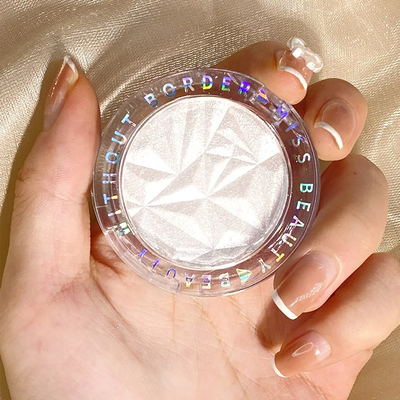
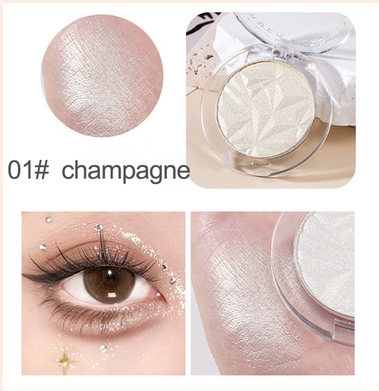
Lush Living Finds Radiant Skin Color Palette Brighten & Contour For Festival & Daily Makeup, Natural Glow 2Radiant Skin, Natural Glow, and Perfect Contour Achieve a flawless makeup look with the Color Palette Brighten & Contour, designed to bring out your natural beauty. Whether for daily wear or a special festival, this palette delivers a radiant skin...29,97 $*Shipping: 0,00 $Secure redirect to the provider
-
Lumene Luminous Shine hydrating lip gloss shade 8 Sunset Glow 5 mlLumene Luminous Shine, 5 ml, Lip Glosses for Women, Lips as smooth as glass and as reflective as a mirror? The Lumene Luminous Shine lip gloss can turn this dream into reality. It envelops the lips in a high-gloss formula, smoothing and evening out their surface to mask any lines or wrinkles while giving your lips long-lasting comfort. It promotes their soft appearance, preventing visible dryness that can interfere with your perfect makeup look. In no time at all, it helps you achieve beautifully glossy, luscious lips, making them the centre of attention and irresistibly kissable. Characteristics: gives lips more volume moisturises and softens lips adds subtle colour to lips ensures a high gloss Ingredients: vegan product hyaluronic acid – binds large quantities of water and hydrates intensively How to use: Apply an even layer to the lips with an applicator.9,70 £*Shipping: 3,99 £Secure redirect to the provider
-
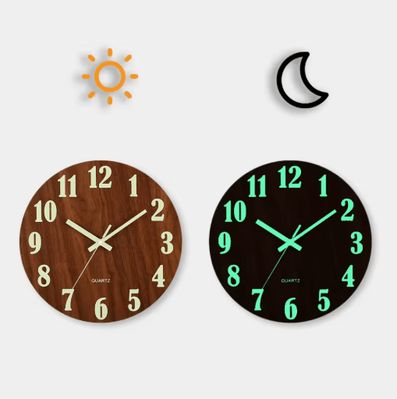
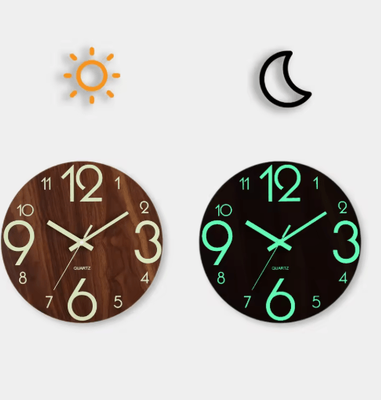
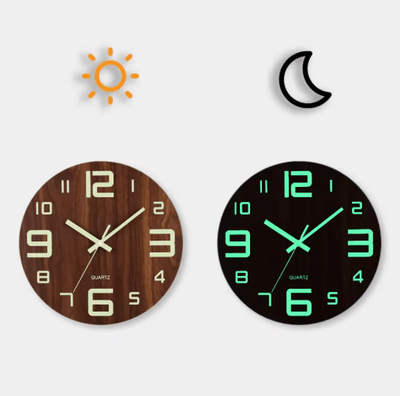
Inspire Picks 12 Inch Luminous Wooden Wall Clock Silent Non Ticking Nordic Glow In The Dark Design yg001 4 InchEnjoy both style and functionality with this elegant luminous wall clock designed to shine even in the dark. Crafted with a minimalist aesthetic, this silent wooden wall clock blends perfectly into modern Nordicinspired interiors. Its glowinthedark...35,49 $*Shipping: 0,00 $Secure redirect to the provider
-
Lush Living Finds Radiant Skin Color Palette Brighten & Contour For Festival & Daily Makeup, Natural Glow 1Radiant Skin, Natural Glow, and Perfect Contour Achieve a flawless makeup look with the Color Palette Brighten & Contour, designed to bring out your natural beauty. Whether for daily wear or a special festival, this palette delivers a radiant skin...29,97 $*Shipping: 0,00 $Secure redirect to the provider

-
Who discovered ionizing radiation?
Ionizing radiation was discovered by Wilhelm Conrad Roentgen in 1895. While experimenting with cathode rays, he noticed that a fluorescent screen in his lab would glow even when it was not directly in the path of the rays. This led him to the discovery of X-rays, which are a form of ionizing radiation. Roentgen's discovery revolutionized the field of medicine and earned him the first Nobel Prize in Physics in 1901. **
-
What professions involve working with ionizing radiation?
Professions that involve working with ionizing radiation include radiologic technologists, nuclear medicine technologists, radiation therapists, and radiologists. These professionals use ionizing radiation in various medical imaging and treatment procedures. Other professions that may involve working with ionizing radiation include nuclear engineers, physicists, and researchers in the field of nuclear energy. **
-
When and why does ionizing radiation occur?
Ionizing radiation occurs when an atom undergoes a process that causes it to lose or gain electrons, resulting in the formation of charged particles called ions. This can happen through natural processes such as radioactive decay of certain elements, or through human activities such as medical imaging and nuclear power generation. Ionizing radiation is harmful to living organisms because it can damage cells and DNA, leading to potential health risks such as cancer and genetic mutations. **
-
What is a non-luminous Bunsen burner flame?
A non-luminous Bunsen burner flame is a type of flame produced when the air intake is adjusted to allow for complete combustion of the gas. This results in a blue, nearly invisible flame that produces a high temperature. The non-luminous flame is often used for heating and sterilization in laboratory settings because it produces minimal soot and is less likely to interfere with the observation of reactions or the color changes of substances being heated. **
Does beta-plus radiation belong to ionizing radiation?
Yes, beta-plus radiation belongs to ionizing radiation. Beta-plus radiation consists of positrons, which are positively charged particles that have the ability to ionize atoms by knocking off electrons from their orbits. This process can lead to the formation of charged particles and free radicals, which can cause damage to biological tissues and DNA. Therefore, beta-plus radiation is considered a form of ionizing radiation due to its ability to ionize atoms and cause biological damage. **
When do different types of ionizing radiation occur?
Different types of ionizing radiation occur in various situations. For example, alpha radiation occurs during the decay of heavy elements such as uranium or radium. Beta radiation occurs during the decay of certain unstable isotopes, while gamma radiation is emitted during nuclear reactions and radioactive decay. X-rays are produced during high-energy processes such as in medical imaging or industrial applications. Each type of ionizing radiation has its own specific source and characteristics. **
Top-Angebote
Products related to Non-ionizing:
-
REF Illuminate Colour Instant Shine Hair Lotion 200mLA hair-care product for dull skin. It a liquid lotion that enhances the vibrancy and radiance of color-treated hair. This lightweight formula refreshes shine instantly without weighing hair down, leaving it with a luminous shine and a silky feeling full of life. Instantly enhances shine for all hair types.25,46 £*Shipping: 7,11 £Secure redirect to the provider
-
NIVEA Luminous 630 Skin Glow economy pack to brighten and smooth the skinNIVEA Luminous 630 Skin Glow, , Enzyme peels for Women, Everything for beautiful-looking skin in one package. The NIVEA Luminous 630 Skin Glow beauty gift set contains not one but several products to help you create or enrich your daily beauty routine and make you or your loved ones happy to get it as a gift. The set contains: NIVEA Luminous 630 Skin Glow smoothing treatment with a brightening effect 100 ml NIVEA Luminous 630 Skin Glow brightening face serum 30 ml Characteristics: a set of cosmetic products for everyday use brightens helps remove signs of skin ageing for a comprehensive skin care routine a set at a favourable price How to use: Use every product from the cosmetic set according to the instructions.19,90 £*Shipping: 3,99 £Secure redirect to the provider
-
Lush Living Finds Radiant Skin Color Palette Brighten & Contour For Festival & Daily Makeup, Natural Glow 2Radiant Skin, Natural Glow, and Perfect Contour Achieve a flawless makeup look with the Color Palette Brighten & Contour, designed to bring out your natural beauty. Whether for daily wear or a special festival, this palette delivers a radiant skin...29,97 $*Shipping: 0,00 $Secure redirect to the provider
-
Lumene Luminous Shine hydrating lip gloss shade 8 Sunset Glow 5 mlLumene Luminous Shine, 5 ml, Lip Glosses for Women, Lips as smooth as glass and as reflective as a mirror? The Lumene Luminous Shine lip gloss can turn this dream into reality. It envelops the lips in a high-gloss formula, smoothing and evening out their surface to mask any lines or wrinkles while giving your lips long-lasting comfort. It promotes their soft appearance, preventing visible dryness that can interfere with your perfect makeup look. In no time at all, it helps you achieve beautifully glossy, luscious lips, making them the centre of attention and irresistibly kissable. Characteristics: gives lips more volume moisturises and softens lips adds subtle colour to lips ensures a high gloss Ingredients: vegan product hyaluronic acid – binds large quantities of water and hydrates intensively How to use: Apply an even layer to the lips with an applicator.9,70 £*Shipping: 3,99 £Secure redirect to the provider
-
What is the difference between ionizing and non-ionizing radiation?
Ionizing radiation has enough energy to remove tightly bound electrons from atoms, creating ions. This type of radiation includes X-rays, gamma rays, and some forms of ultraviolet radiation. Non-ionizing radiation, on the other hand, does not have enough energy to remove electrons from atoms, and includes forms of radiation such as visible light, radio waves, and microwaves. The main difference between the two is the amount of energy they carry and their ability to ionize atoms. **
-
How can the intensity of non-ionizing radiation be determined?
The intensity of non-ionizing radiation can be determined using a variety of methods. One common method is to use a radiation detector or meter specifically designed to measure non-ionizing radiation, such as a radiofrequency (RF) meter for measuring electromagnetic fields. These meters can measure the strength of the radiation in terms of power density or electric and magnetic field strength. Another method is to use dosimeters, which are devices that can be worn by individuals to measure their personal exposure to non-ionizing radiation over a period of time. Additionally, computer simulations and modeling can be used to estimate the intensity of non-ionizing radiation in a given environment. **
-
Who discovered ionizing radiation?
Ionizing radiation was discovered by Wilhelm Conrad Roentgen in 1895. While experimenting with cathode rays, he noticed that a fluorescent screen in his lab would glow even when it was not directly in the path of the rays. This led him to the discovery of X-rays, which are a form of ionizing radiation. Roentgen's discovery revolutionized the field of medicine and earned him the first Nobel Prize in Physics in 1901. **
-
What professions involve working with ionizing radiation?
Professions that involve working with ionizing radiation include radiologic technologists, nuclear medicine technologists, radiation therapists, and radiologists. These professionals use ionizing radiation in various medical imaging and treatment procedures. Other professions that may involve working with ionizing radiation include nuclear engineers, physicists, and researchers in the field of nuclear energy. **
Similar search terms for Non-ionizing
-
Inspire Picks 12 Inch Luminous Wooden Wall Clock Silent Non Ticking Nordic Glow In The Dark Design yg001 4 InchEnjoy both style and functionality with this elegant luminous wall clock designed to shine even in the dark. Crafted with a minimalist aesthetic, this silent wooden wall clock blends perfectly into modern Nordicinspired interiors. Its glowinthedark...35,49 $*Shipping: 0,00 $Secure redirect to the provider
-
Lush Living Finds Radiant Skin Color Palette Brighten & Contour For Festival & Daily Makeup, Natural Glow 1Radiant Skin, Natural Glow, and Perfect Contour Achieve a flawless makeup look with the Color Palette Brighten & Contour, designed to bring out your natural beauty. Whether for daily wear or a special festival, this palette delivers a radiant skin...29,97 $*Shipping: 0,00 $Secure redirect to the provider
-
Inspire Picks 12 Inch Luminous Wooden Wall Clock Silent Non Ticking Nordic Glow In The Dark Design yg003 12 InchEnjoy both style and functionality with this elegant luminous wall clock designed to shine even in the dark. Crafted with a minimalist aesthetic, this silent wooden wall clock blends perfectly into modern Nordicinspired interiors. Its glowinthedark...37,94 $*Shipping: 0,00 $Secure redirect to the provider
-
Inspire Picks 12 Inch Luminous Wooden Wall Clock Silent Non Ticking Nordic Glow In The Dark Design yg002 14 InchEnjoy both style and functionality with this elegant luminous wall clock designed to shine even in the dark. Crafted with a minimalist aesthetic, this silent wooden wall clock blends perfectly into modern Nordicinspired interiors. Its glowinthedark...43,61 $*Shipping: 0,00 $Secure redirect to the provider
-
When and why does ionizing radiation occur?
Ionizing radiation occurs when an atom undergoes a process that causes it to lose or gain electrons, resulting in the formation of charged particles called ions. This can happen through natural processes such as radioactive decay of certain elements, or through human activities such as medical imaging and nuclear power generation. Ionizing radiation is harmful to living organisms because it can damage cells and DNA, leading to potential health risks such as cancer and genetic mutations. **
-
What is a non-luminous Bunsen burner flame?
A non-luminous Bunsen burner flame is a type of flame produced when the air intake is adjusted to allow for complete combustion of the gas. This results in a blue, nearly invisible flame that produces a high temperature. The non-luminous flame is often used for heating and sterilization in laboratory settings because it produces minimal soot and is less likely to interfere with the observation of reactions or the color changes of substances being heated. **
-
Does beta-plus radiation belong to ionizing radiation?
Yes, beta-plus radiation belongs to ionizing radiation. Beta-plus radiation consists of positrons, which are positively charged particles that have the ability to ionize atoms by knocking off electrons from their orbits. This process can lead to the formation of charged particles and free radicals, which can cause damage to biological tissues and DNA. Therefore, beta-plus radiation is considered a form of ionizing radiation due to its ability to ionize atoms and cause biological damage. **
-
When do different types of ionizing radiation occur?
Different types of ionizing radiation occur in various situations. For example, alpha radiation occurs during the decay of heavy elements such as uranium or radium. Beta radiation occurs during the decay of certain unstable isotopes, while gamma radiation is emitted during nuclear reactions and radioactive decay. X-rays are produced during high-energy processes such as in medical imaging or industrial applications. Each type of ionizing radiation has its own specific source and characteristics. **
* All prices are inclusive of VAT and, if applicable, plus shipping costs. The offer information is based on the details provided by the respective shop and is updated through automated processes. Real-time updates do not occur, so deviations can occur in individual cases. ** Note: Parts of this content were created by AI.