Buy lighz.com ?
We are moving the project
lighz.com .
Are you interested in purchasing the domain
lighz.com ?
domain@kv-gmbh.de · 0541-91531010
Buy lighz.com ?
What is the deontological perspective?
The deontological perspective is an ethical theory that focuses on the inherent rightness or wrongness of actions themselves, rather than the consequences of those actions. It is based on the idea that certain actions are morally obligatory regardless of their outcomes. Deontologists believe that individuals have a duty to follow certain moral rules or principles, such as honesty or respecting others' autonomy, regardless of the potential benefits or harms that may result. This perspective is often associated with philosophers like Immanuel Kant, who argued that moral principles are universal and apply to all rational beings. **
What is meant by deontological and teleological?
Deontological ethics is an ethical theory that focuses on the inherent rightness or wrongness of actions themselves, rather than the consequences of those actions. It emphasizes the importance of following moral rules and duties, regardless of the outcomes. On the other hand, teleological ethics, also known as consequentialism, is an ethical theory that evaluates the morality of actions based on their outcomes or consequences. It emphasizes the idea that the rightness or wrongness of an action is determined by the overall good or bad results it produces. In summary, deontological ethics focuses on the inherent nature of actions, while teleological ethics focuses on the outcomes of actions. **


Similar search terms for Deontological
Top-Angebote
Products related to Deontological:
-
Lush Living Finds Radiant Skin Color Palette Brighten & Contour For Festival & Daily Makeup, Natural Glow 2Radiant Skin, Natural Glow, and Perfect Contour Achieve a flawless makeup look with the Color Palette Brighten & Contour, designed to bring out your natural beauty. Whether for daily wear or a special festival, this palette delivers a radiant skin...29,97 $*Shipping: 0,00 $Secure redirect to the provider
-
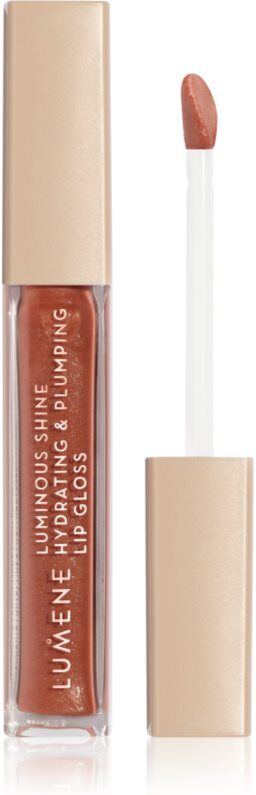
Lumene Luminous Shine hydrating lip gloss shade 8 Sunset Glow 5 mlLumene Luminous Shine, 5 ml, Lip Glosses for Women, Lips as smooth as glass and as reflective as a mirror? The Lumene Luminous Shine lip gloss can turn this dream into reality. It envelops the lips in a high-gloss formula, smoothing and evening out their surface to mask any lines or wrinkles while giving your lips long-lasting comfort. It promotes their soft appearance, preventing visible dryness that can interfere with your perfect makeup look. In no time at all, it helps you achieve beautifully glossy, luscious lips, making them the centre of attention and irresistibly kissable. Characteristics: gives lips more volume moisturises and softens lips adds subtle colour to lips ensures a high gloss Ingredients: vegan product hyaluronic acid – binds large quantities of water and hydrates intensively How to use: Apply an even layer to the lips with an applicator.8,25 £*Shipping: 3,99 £Secure redirect to the provider
-
Apivita Bee Radiant Set set to brighten and smooth the skinApivita Bee Radiant Set, 1 pc, Eye Creams and Gels for Women, Everything for beautiful-looking skin in one package. The Apivita Bee Radiant Set beauty gift set contains not one but several products to help you create or enrich your daily beauty routine and make you or your loved ones happy to get it as a gift. The set contains: Apivita Bee Radiant Cream - Rich Texture extra nourishing moisturiser with anti-ageing and firming effect 50 ml Apivita Bee Radiant Eye Cream anti-wrinkle eye cream for dark circles 15 m toiletry bag 1 pc Characteristics: a set of cosmetic products for everyday use a treat for any woman to restore skin firmness for skin brightening and revitalisation refreshes and softens the eye area Ingredients: comes with a makeup bag How to use: Use every product from the cosmetic set according to the instructions.31,95 £*Shipping: 3,99 £Secure redirect to the provider
-
Hollywood Flawless Radiant Glow Duo - Face Kit Charlotte Tilbury 5026 Hollywood Flawless Radiant Glow Duo Size:Darlings, my NEW! Hollywood Flawless Radiant Glow Duo is the secret to radiant-looking, red-carpet skin! Hollywood Flawless Filter and Charlotte's Beautiful Skin Radiant Concealer are every glow-lover's dream duo! Hollywood Flawless Filter is my original glow booster, perfect for illuminating the look of skin, and Beautiful Skin Radiant Concealer is a buildable concealer that offers custom coverage and a beautifying, brightening effect. This complexion kit unlocks a magical saving of 10% off* two of my beauty secrets for instant Hollywood complexion-perfection, and it's only available at CharlotteTilbury.com! This kit includes:63,90 £*Shipping: 0,00 £Secure redirect to the provider



-
Does Kant's deontological ethics contradict Aristotle's eudaemonistic ethics?
Kant's deontological ethics and Aristotle's eudaemonistic ethics have some fundamental differences, but they do not necessarily contradict each other. Kant's ethics focus on duty and the intention behind actions, while Aristotle's ethics emphasize achieving eudaimonia, or human flourishing, through virtuous actions. While Kant's emphasis on duty can sometimes conflict with Aristotle's emphasis on virtue, both ethical theories ultimately aim to guide individuals towards leading a good and moral life. Therefore, while they may approach ethics from different perspectives, they can be seen as complementary rather than contradictory. **
-
What is the difference between deontological ethics and utilitarianism?
Deontological ethics is an ethical theory that focuses on the inherent rightness or wrongness of actions themselves, regardless of their consequences. It emphasizes the importance of following moral rules and duties, such as telling the truth or keeping promises, regardless of the outcomes. On the other hand, utilitarianism is a consequentialist ethical theory that evaluates the morality of actions based on their outcomes. It prioritizes maximizing overall happiness or well-being for the greatest number of people, often through the calculation of benefits and harms. In summary, deontological ethics emphasizes the inherent morality of actions, while utilitarianism focuses on the consequences of actions. **
-
Does discourse ethics have a teleological or deontological approach?
Discourse ethics is primarily associated with a deontological approach. It focuses on the principles of communication and interaction between individuals, emphasizing the importance of ethical norms and rules in guiding discourse. The goal is to ensure that communication is based on mutual respect, equality, and rationality, rather than aiming towards a specific outcome or goal. By prioritizing the ethical principles of communication, discourse ethics aims to create a fair and just dialogue among participants. **
-
Is deontological ethics exactly the same as the categorical imperative?
Deontological ethics is a broader ethical theory that states that actions are inherently right or wrong, regardless of their consequences. The categorical imperative, on the other hand, is a specific formulation within deontological ethics proposed by Immanuel Kant. While the categorical imperative is a key component of deontological ethics, deontological ethics encompasses a wider range of principles and theories beyond just the categorical imperative. **
What are the differences between deontological ethics and utilitarian ethics?
Deontological ethics, also known as duty-based ethics, focuses on the inherent rightness or wrongness of actions themselves, regardless of their consequences. It emphasizes following moral rules and duties, such as telling the truth or keeping promises, based on principles like the categorical imperative. On the other hand, utilitarian ethics, also known as consequentialist ethics, prioritizes the outcomes or consequences of actions. It aims to maximize overall happiness or well-being for the greatest number of people, often through the calculation of benefits and harms. While deontological ethics emphasizes duty and rules, utilitarian ethics prioritizes the greatest good for the greatest number. **
What is the difference between deontological ethics and utilitarian ethics?
Deontological ethics, also known as duty-based ethics, focuses on the inherent rightness or wrongness of actions themselves, regardless of their consequences. This means that certain actions are considered morally right or wrong based on whether they adhere to a set of rules or principles. On the other hand, utilitarian ethics, also known as consequentialist ethics, evaluates the morality of actions based on their outcomes or consequences. In utilitarianism, the rightness or wrongness of an action is determined by its ability to produce the greatest overall happiness or pleasure for the greatest number of people. **
Top-Angebote
Products related to Deontological:
-
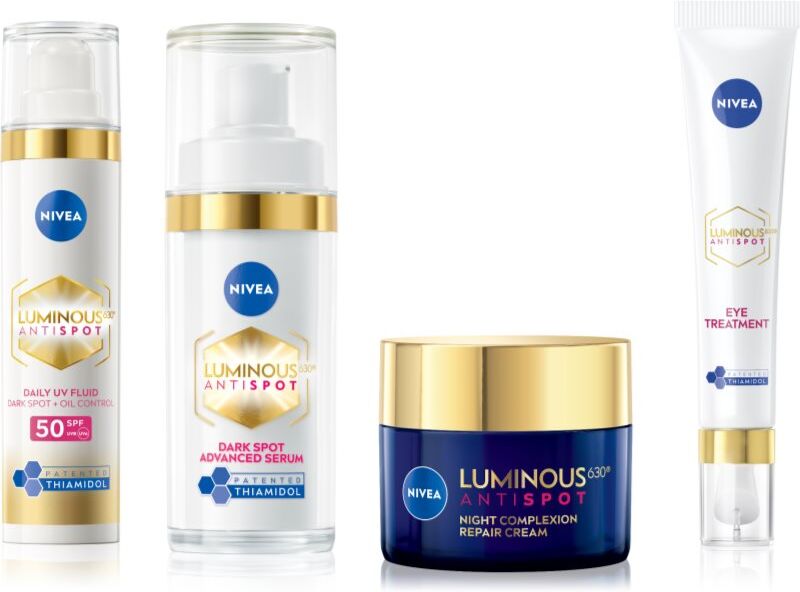
NIVEA Luminous 630 Skin Glow economy pack to brighten and smooth the skinNIVEA Luminous 630 Skin Glow, , Enzyme peels for Women, Everything for beautiful-looking skin in one package. The NIVEA Luminous 630 Skin Glow beauty gift set contains not one but several products to help you create or enrich your daily beauty routine and make you or your loved ones happy to get it as a gift. The set contains: NIVEA Luminous 630 Skin Glow smoothing treatment with a brightening effect 100 ml NIVEA Luminous 630 Skin Glow brightening face serum 30 ml Characteristics: a set of cosmetic products for everyday use brightens helps remove signs of skin ageing for a comprehensive skin care routine a set at a favourable price How to use: Use every product from the cosmetic set according to the instructions.16,83 £*Shipping: 3,99 £Secure redirect to the provider
-
Martiderm The Originals Flash Body Glow Radiant and Luminous Skin 100mLA body cream for wrinkles and signs of ageing. Instantly radiant, luminous skin. Deep hydration and skin barrier repair. Immediate firming and lifting effect. Smooths neck and décolleté wrinkles. Fast-absorbing, non-greasy texture with a fresh citrus-floral scent. 5% Hydroxyproline and silicium complex: hydrating and firming.20,13 £*Shipping: 7,11 £Secure redirect to the provider
-
Lush Living Finds Radiant Skin Color Palette Brighten & Contour For Festival & Daily Makeup, Natural Glow 2Radiant Skin, Natural Glow, and Perfect Contour Achieve a flawless makeup look with the Color Palette Brighten & Contour, designed to bring out your natural beauty. Whether for daily wear or a special festival, this palette delivers a radiant skin...29,97 $*Shipping: 0,00 $Secure redirect to the provider
-
Lumene Luminous Shine hydrating lip gloss shade 8 Sunset Glow 5 mlLumene Luminous Shine, 5 ml, Lip Glosses for Women, Lips as smooth as glass and as reflective as a mirror? The Lumene Luminous Shine lip gloss can turn this dream into reality. It envelops the lips in a high-gloss formula, smoothing and evening out their surface to mask any lines or wrinkles while giving your lips long-lasting comfort. It promotes their soft appearance, preventing visible dryness that can interfere with your perfect makeup look. In no time at all, it helps you achieve beautifully glossy, luscious lips, making them the centre of attention and irresistibly kissable. Characteristics: gives lips more volume moisturises and softens lips adds subtle colour to lips ensures a high gloss Ingredients: vegan product hyaluronic acid – binds large quantities of water and hydrates intensively How to use: Apply an even layer to the lips with an applicator.8,25 £*Shipping: 3,99 £Secure redirect to the provider
-
What is the deontological perspective?
The deontological perspective is an ethical theory that focuses on the inherent rightness or wrongness of actions themselves, rather than the consequences of those actions. It is based on the idea that certain actions are morally obligatory regardless of their outcomes. Deontologists believe that individuals have a duty to follow certain moral rules or principles, such as honesty or respecting others' autonomy, regardless of the potential benefits or harms that may result. This perspective is often associated with philosophers like Immanuel Kant, who argued that moral principles are universal and apply to all rational beings. **
-
What is meant by deontological and teleological?
Deontological ethics is an ethical theory that focuses on the inherent rightness or wrongness of actions themselves, rather than the consequences of those actions. It emphasizes the importance of following moral rules and duties, regardless of the outcomes. On the other hand, teleological ethics, also known as consequentialism, is an ethical theory that evaluates the morality of actions based on their outcomes or consequences. It emphasizes the idea that the rightness or wrongness of an action is determined by the overall good or bad results it produces. In summary, deontological ethics focuses on the inherent nature of actions, while teleological ethics focuses on the outcomes of actions. **
-
Does Kant's deontological ethics contradict Aristotle's eudaemonistic ethics?
Kant's deontological ethics and Aristotle's eudaemonistic ethics have some fundamental differences, but they do not necessarily contradict each other. Kant's ethics focus on duty and the intention behind actions, while Aristotle's ethics emphasize achieving eudaimonia, or human flourishing, through virtuous actions. While Kant's emphasis on duty can sometimes conflict with Aristotle's emphasis on virtue, both ethical theories ultimately aim to guide individuals towards leading a good and moral life. Therefore, while they may approach ethics from different perspectives, they can be seen as complementary rather than contradictory. **
-
What is the difference between deontological ethics and utilitarianism?
Deontological ethics is an ethical theory that focuses on the inherent rightness or wrongness of actions themselves, regardless of their consequences. It emphasizes the importance of following moral rules and duties, such as telling the truth or keeping promises, regardless of the outcomes. On the other hand, utilitarianism is a consequentialist ethical theory that evaluates the morality of actions based on their outcomes. It prioritizes maximizing overall happiness or well-being for the greatest number of people, often through the calculation of benefits and harms. In summary, deontological ethics emphasizes the inherent morality of actions, while utilitarianism focuses on the consequences of actions. **
Similar search terms for Deontological
-
Apivita Bee Radiant Set set to brighten and smooth the skinApivita Bee Radiant Set, 1 pc, Eye Creams and Gels for Women, Everything for beautiful-looking skin in one package. The Apivita Bee Radiant Set beauty gift set contains not one but several products to help you create or enrich your daily beauty routine and make you or your loved ones happy to get it as a gift. The set contains: Apivita Bee Radiant Cream - Rich Texture extra nourishing moisturiser with anti-ageing and firming effect 50 ml Apivita Bee Radiant Eye Cream anti-wrinkle eye cream for dark circles 15 m toiletry bag 1 pc Characteristics: a set of cosmetic products for everyday use a treat for any woman to restore skin firmness for skin brightening and revitalisation refreshes and softens the eye area Ingredients: comes with a makeup bag How to use: Use every product from the cosmetic set according to the instructions.31,95 £*Shipping: 3,99 £Secure redirect to the provider
-
Hollywood Flawless Radiant Glow Duo - Face Kit Charlotte Tilbury 5026 Hollywood Flawless Radiant Glow Duo Size:Darlings, my NEW! Hollywood Flawless Radiant Glow Duo is the secret to radiant-looking, red-carpet skin! Hollywood Flawless Filter and Charlotte's Beautiful Skin Radiant Concealer are every glow-lover's dream duo! Hollywood Flawless Filter is my original glow booster, perfect for illuminating the look of skin, and Beautiful Skin Radiant Concealer is a buildable concealer that offers custom coverage and a beautifying, brightening effect. This complexion kit unlocks a magical saving of 10% off* two of my beauty secrets for instant Hollywood complexion-perfection, and it's only available at CharlotteTilbury.com! This kit includes:63,90 £*Shipping: 0,00 £Secure redirect to the provider
-
Lush Living Finds Radiant Skin Color Palette Brighten & Contour For Festival & Daily Makeup, Natural Glow 1Radiant Skin, Natural Glow, and Perfect Contour Achieve a flawless makeup look with the Color Palette Brighten & Contour, designed to bring out your natural beauty. Whether for daily wear or a special festival, this palette delivers a radiant skin...29,97 $*Shipping: 0,00 $Secure redirect to the provider
-
Does discourse ethics have a teleological or deontological approach?
Discourse ethics is primarily associated with a deontological approach. It focuses on the principles of communication and interaction between individuals, emphasizing the importance of ethical norms and rules in guiding discourse. The goal is to ensure that communication is based on mutual respect, equality, and rationality, rather than aiming towards a specific outcome or goal. By prioritizing the ethical principles of communication, discourse ethics aims to create a fair and just dialogue among participants. **
-
Is deontological ethics exactly the same as the categorical imperative?
Deontological ethics is a broader ethical theory that states that actions are inherently right or wrong, regardless of their consequences. The categorical imperative, on the other hand, is a specific formulation within deontological ethics proposed by Immanuel Kant. While the categorical imperative is a key component of deontological ethics, deontological ethics encompasses a wider range of principles and theories beyond just the categorical imperative. **
-
What are the differences between deontological ethics and utilitarian ethics?
Deontological ethics, also known as duty-based ethics, focuses on the inherent rightness or wrongness of actions themselves, regardless of their consequences. It emphasizes following moral rules and duties, such as telling the truth or keeping promises, based on principles like the categorical imperative. On the other hand, utilitarian ethics, also known as consequentialist ethics, prioritizes the outcomes or consequences of actions. It aims to maximize overall happiness or well-being for the greatest number of people, often through the calculation of benefits and harms. While deontological ethics emphasizes duty and rules, utilitarian ethics prioritizes the greatest good for the greatest number. **
-
What is the difference between deontological ethics and utilitarian ethics?
Deontological ethics, also known as duty-based ethics, focuses on the inherent rightness or wrongness of actions themselves, regardless of their consequences. This means that certain actions are considered morally right or wrong based on whether they adhere to a set of rules or principles. On the other hand, utilitarian ethics, also known as consequentialist ethics, evaluates the morality of actions based on their outcomes or consequences. In utilitarianism, the rightness or wrongness of an action is determined by its ability to produce the greatest overall happiness or pleasure for the greatest number of people. **
* All prices are inclusive of VAT and, if applicable, plus shipping costs. The offer information is based on the details provided by the respective shop and is updated through automated processes. Real-time updates do not occur, so deviations can occur in individual cases. ** Note: Parts of this content were created by AI.