Buy lighz.com ?
We are moving the project
lighz.com .
Are you interested in purchasing the domain
lighz.com ?
domain@kv-gmbh.de · 0541-91531010
Buy lighz.com ?
What are trophic levels and trophic structures?
Trophic levels refer to the hierarchical levels in an ecosystem through which energy and nutrients flow. They represent the feeding positions of different organisms in a food chain or food web. Trophic structures, on the other hand, describe the organization of these trophic levels within an ecosystem. This includes the distribution of energy and nutrients among different organisms, as well as the interactions and relationships between them. Overall, trophic levels and trophic structures are important concepts for understanding the flow of energy and nutrients in ecosystems and the dynamics of food chains and food webs. **
Are trophic levels and trophic levels the same in biology?
No, trophic levels and trophic levels are not the same in biology. Trophic levels refer to the hierarchical levels in an ecosystem based on an organism's position in the food chain, such as producers, primary consumers, secondary consumers, etc. On the other hand, trophic cascades are the indirect effects that occur when a change in one trophic level impacts other trophic levels in the ecosystem. Both concepts are important in understanding the dynamics of energy flow and interactions within ecosystems. **


Similar search terms for Trophic
Top-Angebote
Products related to Trophic:
-
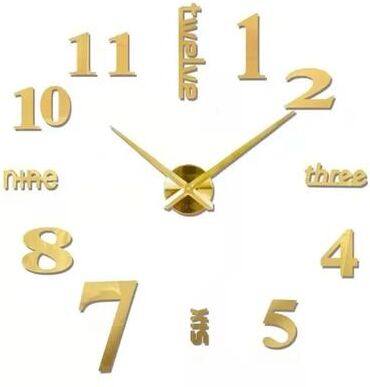
Inspired Finds 3D Luminous Frameless Wall Clock DIY Kit Modern Silent Glow Wall Decor gold Radiant Starburst 2d 40cm = 15.75inTransform any blank wall into a bold, functional statement with this stylish 3D wall clock. Designed for creative freedom, this DIY clock lets you customize the layout to perfectly fit your space while adding a modern, eyecatching touch. Its...34,99 $*Shipping: 0,00 $Secure redirect to the provider
-
Uplift Essentials 3 in 1 Cream Blush & Radiant Lip Glow Stick bronze GlowSimplify your beauty ritual with a highperformance, multitasking essential that brings a natural, monochromatic glow to your entire face. This 3in1 blush stick is the ultimate solution for the modern individual who wants to brighten their facial...55,97 $*Shipping: 0,00 $Secure redirect to the provider
-
Inspired Finds Radiant Glow Niacinamide & Arbutin Brightening Bar Deep Cleansing Face & Body Soap Radiant Glow Niacinamide & Arbutin Brightening Bar Deep Cleansing Face & Body SoapRediscover your skins natural luminosity with a gentle, effective bar that works both on face and body. This soap is crafted for those who crave a brightening cleanser designed to visibly even tone and clear away impurities from start to finish....34,99 $*Shipping: 0,00 $Secure redirect to the provider
-
Uplift Picks Radiant 90 LED Solar Garden Lights With Eight Starburst Glow Modes Radiant 90 LED Solar Garden Lights With Eight Starburst Glow ModesTurn your outdoor space into an enchanting display that shines after sunset. These solar flower lights feature 90 LEDs arranged on flexible branches for a customizable starburst effect. Designed for gardeners, hosts, and creative decorators, they...62,48 $*Shipping: 0,00 $Secure redirect to the provider



-
Are trophic levels and trophic levels the same thing in biology?
No, "trophic levels" and "trophic levels" are not the same thing in biology. "Trophic levels" refer to the hierarchical levels in an ecosystem based on an organism's position in the food chain, such as producers, primary consumers, secondary consumers, and so on. On the other hand, "trophic levels" appears to be a typographical error or a repetition of the term "trophic levels." In biology, it is important to use accurate and specific terminology to avoid confusion and miscommunication. **
-
Why do organisms become larger from trophic level to trophic level?
Organisms become larger from trophic level to trophic level due to the efficiency of energy transfer in ecosystems. As energy is transferred from one trophic level to the next, there is a loss of energy in the form of heat and metabolic processes. Larger organisms are able to consume more energy-rich food sources and have a more efficient metabolism, allowing them to grow in size as they move up the food chain. Additionally, larger organisms are better equipped to capture and consume prey, giving them a competitive advantage in obtaining energy and resources. **
-
Why do organisms get larger from trophic level to trophic level?
Organisms tend to get larger from one trophic level to the next because as energy is transferred up the food chain, there is a loss of energy at each level. This means that organisms at higher trophic levels need to consume larger quantities of organisms from lower trophic levels to obtain enough energy to sustain themselves. Additionally, larger organisms are more efficient at capturing and consuming prey, allowing them to thrive at higher trophic levels. Finally, larger organisms have a lower surface area to volume ratio, which helps them retain heat and energy more effectively. **
-
Why does the biomass decrease from trophic level to trophic level?
Biomass decreases from trophic level to trophic level because energy is lost as it moves through the food chain. Organisms at each trophic level use some of the energy they consume for their own metabolic processes, such as respiration and movement, and the rest is lost as heat. This means that there is less energy available to be passed on to the next trophic level, resulting in a decrease in biomass. Additionally, not all of the energy from one trophic level is consumed by the next level, as some is lost through waste and uneaten parts of organisms. **

What are trophic levels in biology?
Trophic levels in biology refer to the hierarchical levels in an ecosystem where organisms are grouped based on their feeding relationships. The primary producers, such as plants, are at the base of the trophic levels as they convert sunlight into energy through photosynthesis. Herbivores that feed on plants are at the next level, followed by carnivores that eat herbivores. Each trophic level represents a transfer of energy and nutrients through the ecosystem, with energy decreasing as it moves up the levels. **
What is the trophic level of omnivores?
Omnivores are organisms that consume both plants and animals, so their trophic level can vary. When they consume plants, they are considered primary consumers (herbivores) and when they consume animals, they are considered secondary consumers (carnivores). This means that omnivores can occupy multiple trophic levels within a food web, depending on their diet. **
Top-Angebote
Products related to Trophic:
-
Lush Living Finds Radiant Skin Color Palette Brighten & Contour For Festival & Daily Makeup, Natural Glow 1Radiant Skin, Natural Glow, and Perfect Contour Achieve a flawless makeup look with the Color Palette Brighten & Contour, designed to bring out your natural beauty. Whether for daily wear or a special festival, this palette delivers a radiant skin...29,97 $*Shipping: 0,00 $Secure redirect to the provider
-
Hollywood Flawless Radiant Glow Duo - Face Kit Charlotte Tilbury 5086 Hollywood Flawless Radiant Glow Duo Size:Darlings, my NEW! Hollywood Flawless Radiant Glow Duo is the secret to radiant-looking, red-carpet skin! Hollywood Flawless Filter and Charlotte's Beautiful Skin Radiant Concealer are every glow-lover's dream duo! Hollywood Flawless Filter is my original glow booster, perfect for illuminating the look of skin, and Beautiful Skin Radiant Concealer is a buildable concealer that offers custom coverage and a beautifying, brightening effect. This complexion kit unlocks a magical saving of 10% off* two of my beauty secrets for instant Hollywood complexion-perfection, and it's only available at CharlotteTilbury.com! This kit includes:63,90 £*Shipping: 0,00 £Secure redirect to the provider
-
Inspired Finds 3D Luminous Frameless Wall Clock DIY Kit Modern Silent Glow Wall Decor gold Radiant Starburst 2d 40cm = 15.75inTransform any blank wall into a bold, functional statement with this stylish 3D wall clock. Designed for creative freedom, this DIY clock lets you customize the layout to perfectly fit your space while adding a modern, eyecatching touch. Its...34,99 $*Shipping: 0,00 $Secure redirect to the provider
-
Uplift Essentials 3 in 1 Cream Blush & Radiant Lip Glow Stick bronze GlowSimplify your beauty ritual with a highperformance, multitasking essential that brings a natural, monochromatic glow to your entire face. This 3in1 blush stick is the ultimate solution for the modern individual who wants to brighten their facial...55,97 $*Shipping: 0,00 $Secure redirect to the provider
-
What are trophic levels and trophic structures?
Trophic levels refer to the hierarchical levels in an ecosystem through which energy and nutrients flow. They represent the feeding positions of different organisms in a food chain or food web. Trophic structures, on the other hand, describe the organization of these trophic levels within an ecosystem. This includes the distribution of energy and nutrients among different organisms, as well as the interactions and relationships between them. Overall, trophic levels and trophic structures are important concepts for understanding the flow of energy and nutrients in ecosystems and the dynamics of food chains and food webs. **
-
Are trophic levels and trophic levels the same in biology?
No, trophic levels and trophic levels are not the same in biology. Trophic levels refer to the hierarchical levels in an ecosystem based on an organism's position in the food chain, such as producers, primary consumers, secondary consumers, etc. On the other hand, trophic cascades are the indirect effects that occur when a change in one trophic level impacts other trophic levels in the ecosystem. Both concepts are important in understanding the dynamics of energy flow and interactions within ecosystems. **
-
Are trophic levels and trophic levels the same thing in biology?
No, "trophic levels" and "trophic levels" are not the same thing in biology. "Trophic levels" refer to the hierarchical levels in an ecosystem based on an organism's position in the food chain, such as producers, primary consumers, secondary consumers, and so on. On the other hand, "trophic levels" appears to be a typographical error or a repetition of the term "trophic levels." In biology, it is important to use accurate and specific terminology to avoid confusion and miscommunication. **
-
Why do organisms become larger from trophic level to trophic level?
Organisms become larger from trophic level to trophic level due to the efficiency of energy transfer in ecosystems. As energy is transferred from one trophic level to the next, there is a loss of energy in the form of heat and metabolic processes. Larger organisms are able to consume more energy-rich food sources and have a more efficient metabolism, allowing them to grow in size as they move up the food chain. Additionally, larger organisms are better equipped to capture and consume prey, giving them a competitive advantage in obtaining energy and resources. **
Similar search terms for Trophic
-
Inspired Finds Radiant Glow Niacinamide & Arbutin Brightening Bar Deep Cleansing Face & Body Soap Radiant Glow Niacinamide & Arbutin Brightening Bar Deep Cleansing Face & Body SoapRediscover your skins natural luminosity with a gentle, effective bar that works both on face and body. This soap is crafted for those who crave a brightening cleanser designed to visibly even tone and clear away impurities from start to finish....34,99 $*Shipping: 0,00 $Secure redirect to the provider
-
Uplift Picks Radiant 90 LED Solar Garden Lights With Eight Starburst Glow Modes Radiant 90 LED Solar Garden Lights With Eight Starburst Glow ModesTurn your outdoor space into an enchanting display that shines after sunset. These solar flower lights feature 90 LEDs arranged on flexible branches for a customizable starburst effect. Designed for gardeners, hosts, and creative decorators, they...62,48 $*Shipping: 0,00 $Secure redirect to the provider
-
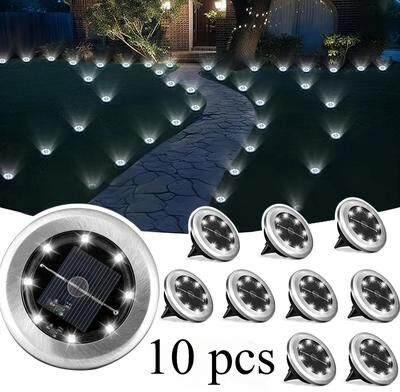
Uplift Picks Solar Ground Lights Illuminate Pathways Gardens Driveways With Waterproof LED Glow white Light 10 PcsCreate a cleaner, brighter path through your outdoor space without visible wiring. These solar ground lights use 8 LEDs per lamp to add low profile illumination along gardens, walkways, lawns, and driveway edges. Comparable models charge during...180,00 $*Shipping: 0,00 $Secure redirect to the provider
-
Lush Living Finds Radiant Skin Color Palette Brighten & Contour For Festival & Daily Makeup, Natural Glow 2Radiant Skin, Natural Glow, and Perfect Contour Achieve a flawless makeup look with the Color Palette Brighten & Contour, designed to bring out your natural beauty. Whether for daily wear or a special festival, this palette delivers a radiant skin...29,97 $*Shipping: 0,00 $Secure redirect to the provider
-
Why do organisms get larger from trophic level to trophic level?
Organisms tend to get larger from one trophic level to the next because as energy is transferred up the food chain, there is a loss of energy at each level. This means that organisms at higher trophic levels need to consume larger quantities of organisms from lower trophic levels to obtain enough energy to sustain themselves. Additionally, larger organisms are more efficient at capturing and consuming prey, allowing them to thrive at higher trophic levels. Finally, larger organisms have a lower surface area to volume ratio, which helps them retain heat and energy more effectively. **
-
Why does the biomass decrease from trophic level to trophic level?
Biomass decreases from trophic level to trophic level because energy is lost as it moves through the food chain. Organisms at each trophic level use some of the energy they consume for their own metabolic processes, such as respiration and movement, and the rest is lost as heat. This means that there is less energy available to be passed on to the next trophic level, resulting in a decrease in biomass. Additionally, not all of the energy from one trophic level is consumed by the next level, as some is lost through waste and uneaten parts of organisms. **
-
What are trophic levels in biology?
Trophic levels in biology refer to the hierarchical levels in an ecosystem where organisms are grouped based on their feeding relationships. The primary producers, such as plants, are at the base of the trophic levels as they convert sunlight into energy through photosynthesis. Herbivores that feed on plants are at the next level, followed by carnivores that eat herbivores. Each trophic level represents a transfer of energy and nutrients through the ecosystem, with energy decreasing as it moves up the levels. **
-
What is the trophic level of omnivores?
Omnivores are organisms that consume both plants and animals, so their trophic level can vary. When they consume plants, they are considered primary consumers (herbivores) and when they consume animals, they are considered secondary consumers (carnivores). This means that omnivores can occupy multiple trophic levels within a food web, depending on their diet. **
* All prices are inclusive of VAT and, if applicable, plus shipping costs. The offer information is based on the details provided by the respective shop and is updated through automated processes. Real-time updates do not occur, so deviations can occur in individual cases. ** Note: Parts of this content were created by AI.